STEAM Education

2012-09-25_16-52-08_787

I have been asked to be a moderator for ScienceOnline 2013 (http://scio13.wikispaces.com/Program), me and Glendon Mellow (http://glendonmellow.blogspot.com/) will be moderating a discussion about STEAM Education – putting the Arts into STEM education. This ties really nicely into my weekend activities. This weekend my family had a birthday party for my Grandma Yetta, who just turned 99 years old. She's like Yoda; she's very independent and will waive a stick at you and tell you what to do. Even though the event was immediate family only, it was sort of a creative definition of immediate family, more like mishpucha that Grandma sees often, which includes my uncle's best friend and his grandchildren, Emily (7 years old) and Joseph (4 years old). I spent a very enjoyable afternoon sitting on folding chairs in Grandma's huge, sunny back yard, drawing with Emily and Joseph. They each chose leaves they liked and after a brief discussion, we drew what we saw. Emily in particular did a nice job, she chose a cluster of rose leaves and she carefully recorded the veination and serrated edges.

So how does art relate to science education? I'd say that its a useful tool for both recording your observations and sharing them with others, integral parts of the scientific process.
Spiky Things

2012-09-14_18-05-32_012


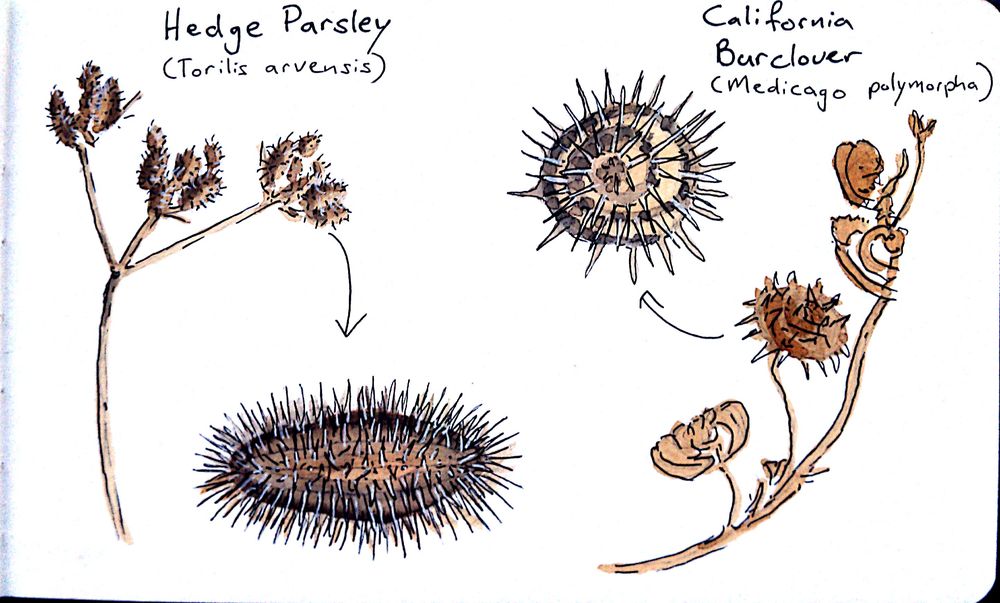
Jen and I went hiking today at one of our favorite spots and ended up on an unusually pestiferous nature walk. We saw two skittering lizards and a flock of quail, one little snake and a pretty good sized rattlesnake. More noticeably though, we were followed by a swarm of flies and snagged by an assortment of spiny hitchhikers.

Fremont Older Open Space
9/14/12

Nuttall’s Blister Beetle

2012-08-29_09

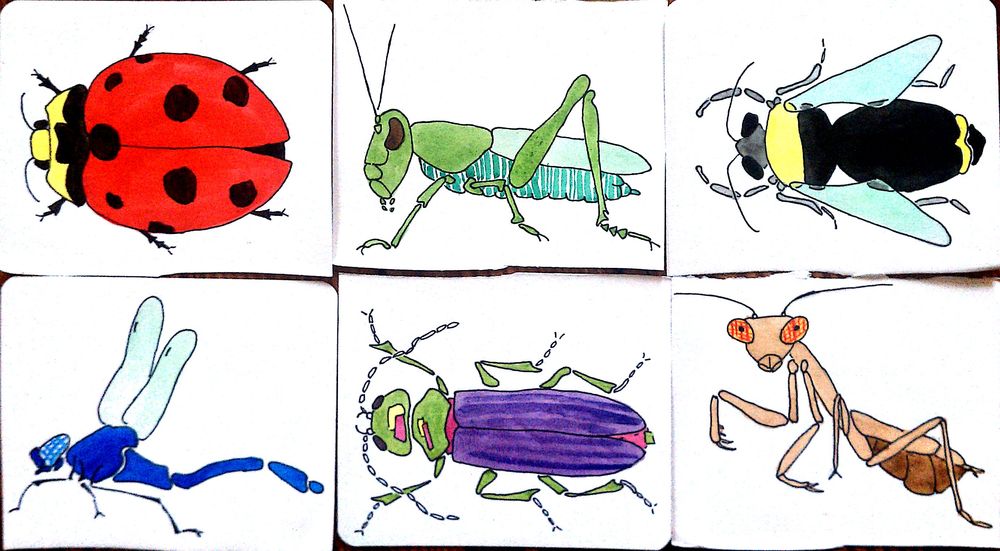
This is the completed beetle on the crib bumper. Specifically, it's a Nuttall's Blister Beetle (Lytta nuttallii). I sewed on the purple body, and the green head and thorax. Kellie needle felted the pink parts and the green on the legs, and then I finished it up by embroidering the legs and antennae.

Richmond, VA
8/28/12

Blue Dragonfly

2012-08-29_09

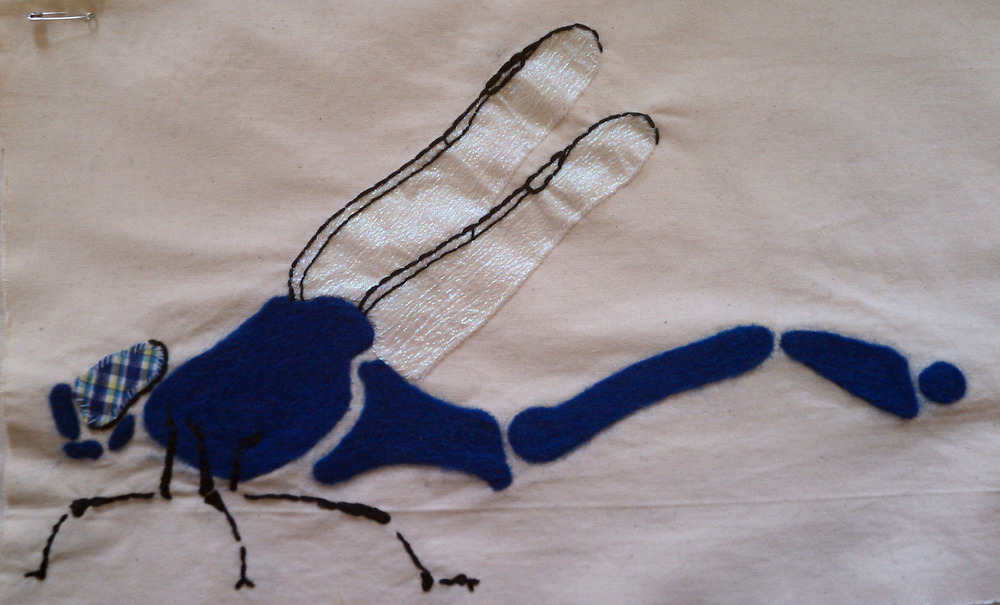
Of the insects on the crib bumpers, the dragonfly and the beetle are now complete. This one is the first done, our blue dragonfly. Kellie wool felted the body and I sewed on the wings, and eyes.

Richmond, VA
8/28/12

Insect Crib Bumper Design

2012-08-25_14-22-20_001

The Drosophila genetics wall hanging is painted and well under construction now. So, Kell and I are starting our next nursery design; an applique crib bumper, insect themed of course. She chose a ladybug, a cricket, a bee, a dragonfly, a beetle and a mantis. These are the patterns.

Richmond, VA
8/25/12

Drosophila Genetics Wall-hanging

2012-08-24_11-38-42_706

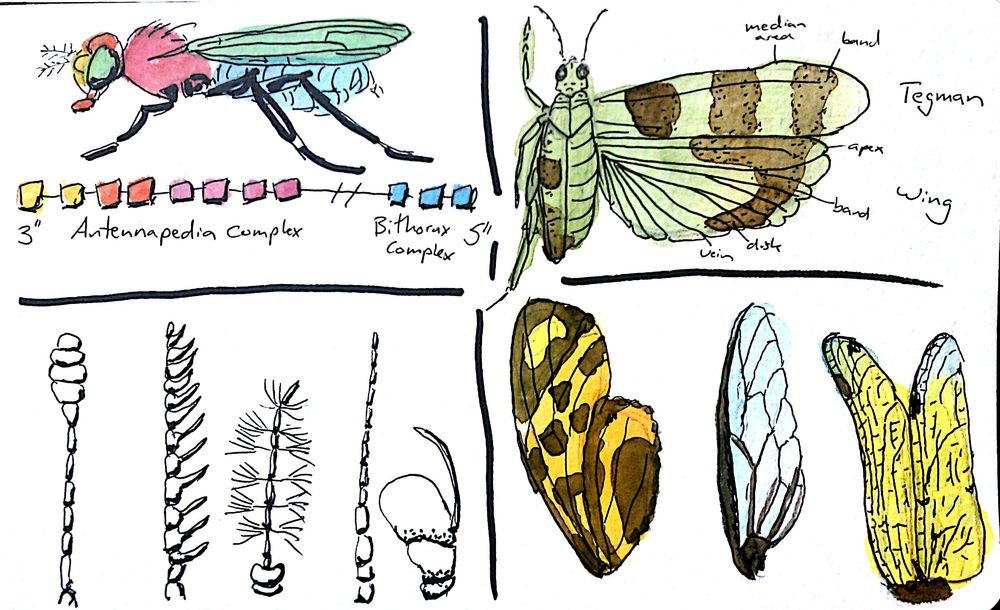
Kellie and I are designing a series of hanging pockets as a nursery organizer. I'm using of rainbow colored pockets to describe fruit fly (Drosophila melanogaster) genetics. The warm colors represnt the Antennapedia genes, and the cool colors are the Bithorax genes. The wall-hanging will go near the crib and changing table for easy access to wipes and lotion and toys.

Insect Themed Nursey Concepts

2012-08-19_21-39-35_904

In a few days, I'll be traveling accross country to visit one of my best friends. She is pregnant and a fellow scientist and I have the huge privilege of helping her design the nursery. She chose a bug theme (partially with me in mind) and I couldn't be more excited. Most of whatever we come up with together will happen on site in Virginia, but in the meantime these are some rough ideas I sketched out for possible nursey themes.

Why Cartoons, sex and music are necessary in science communication

2012-08-08_10-03-51_434

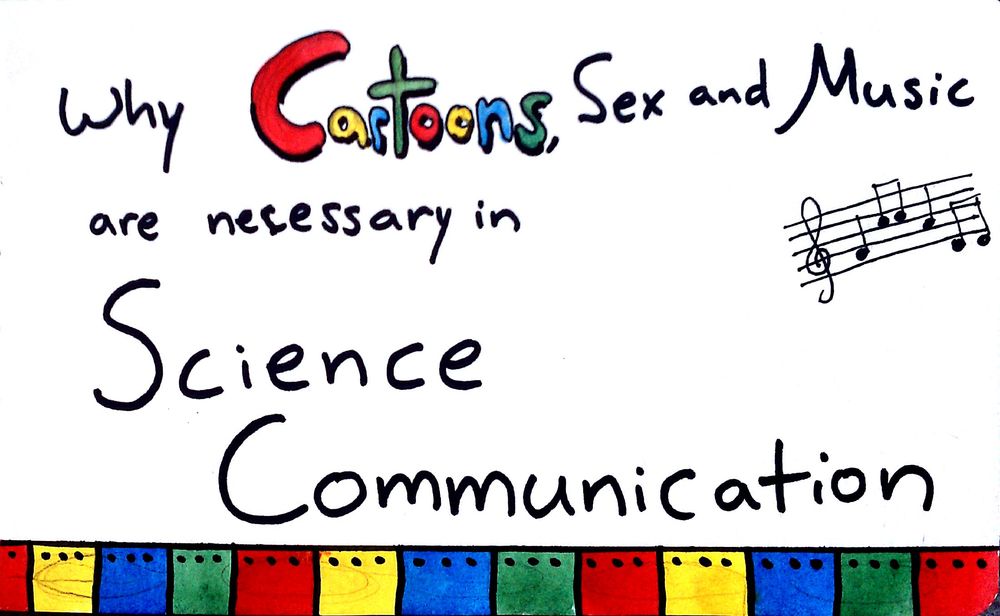
I’m giddy with excitement. I wrote an article about a month ago that went live on Nature.com this morning at 2am. It’s getting fabulous feedback on Twitter. Thank you to everyone in the science communication community who’s participating in this discussion with me!!

Hot off the presses!! Come read it!
http://blogs.nature.com/soapboxscience/2012/08/08/why-cartoons-sex-and-music-are-necessary-in-science-communication?WT.mc_id=TWT_NatureBlogs